
gold mirror sheets
Understanding Snap Ring Gages A Comprehensive Overview Snap ring gages, also known as snap gages or snap gage measuring tools, play a pivotal role in the manufacturing and quality control sectors. These precision instruments are designed to measure the internal and external diameters of components that incorporate snap rings—small, circular fasteners that fit into grooves on shafts or housings to hold components in place. Understanding the design, functionality, application, and benefits of snap ring gages is essential for anyone involved in precision engineering. Design and Functionality A snap ring gage typically consists of two main parts the gage itself and the measurement points. The gage has two sides, one for measuring the inner diameter (ID) and the other for the outer diameter (OD) of components. The design features a set of adjustable fingers or arms that can be easily opened and closed, allowing for ease of measurement. The measurement points are often highly polished to ensure that they do not damage the surface of the parts being measured and are calibrated to provide precise readings. Snap ring gages operate on the principle of fit; they should accurately fit around a snap ring or within a groove to determine if the part meets the required specifications. The gages are often color-coded or marked with specific dimensions to assist users in quickly identifying the appropriate size for their needs. Applications Snap ring gages are invaluable in a myriad of industries, including automotive, aerospace, and general manufacturing. In the automotive industry, for example, they ensure that snap rings used in engines, transmissions, and other critical components are manufactured to the correct dimensions, providing reliability and performance. In aerospace, maintaining precise measurements of components contributes to the safety and effectiveness of aircraft. snap ring gage Moreover, snap ring gages are commonly utilized in assembly lines where components require consistent quality control. Gages ensure that the parts can accommodate snap rings without excessive force or alterations, which might lead to premature wear and failure . Benefits Utilizing snap ring gages has a multitude of benefits. Firstly, they provide an efficient means of measurement, significantly reducing the time required for inspections compared to other measurement methods. Their design enables quick and straightforward usage, which enhances productivity on the manufacturing floor. Secondly, snap ring gages help maintain high-quality standards. With accurate measurements, manufacturers can ensure that their products can withstand operational conditions without issues related to part fit, which could result in malfunctions or breakdowns. By identifying parts that do not meet specifications early in the manufacturing process, companies can significantly reduce waste and avoid costly rework. Lastly, snap ring gages contribute to improved safety. In sectors where component failure can have catastrophic consequences, such as aerospace or medical equipment manufacturing, precise measurement is not just beneficial; it is critical. Conclusion In conclusion, snap ring gages are indispensable tools in the realm of precision measurement. Their careful design, efficient application, and numerous benefits make them essential for ensuring quality and reliability in components that use snap rings. As industries continue to prioritize precision and quality control, the importance of snap ring gages will undoubtedly grow, reinforcing their status as a vital aspect of modern manufacturing practices. For anyone involved in the creation, inspection, or maintenance of mechanical components, understanding and utilizing snap ring gages is an essential step toward achieving excellence in engineering.
about
gold mirror sheets
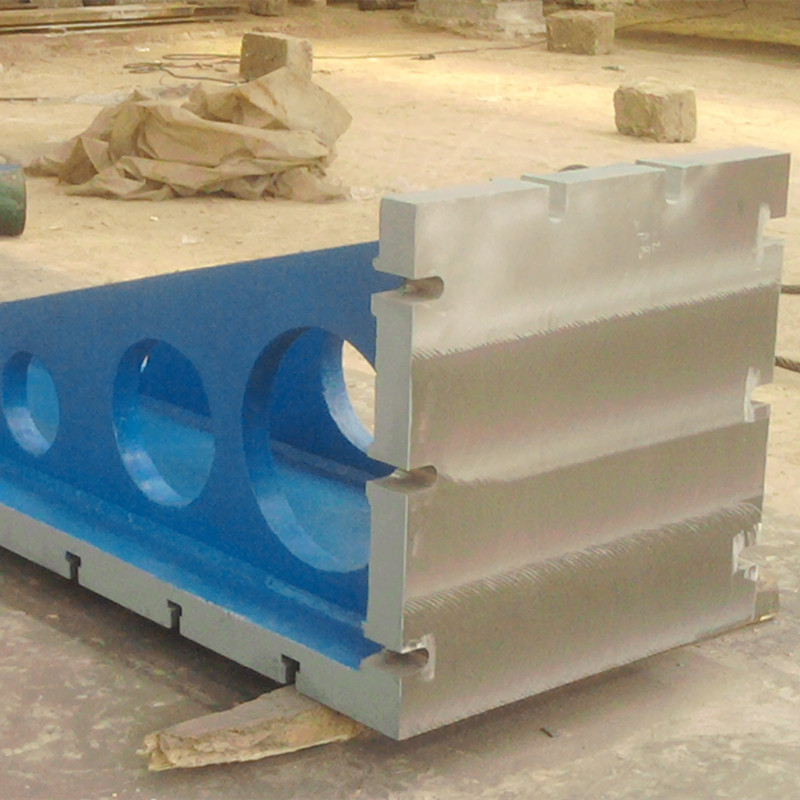
Stalowe płyty pomiarowe z żeliwa szarego Kluczowy element w precyzyjnym pomiarze W dzisiejszym przemyśle motoryzacyjnym, lotniczym i wielu innych branżach inżynieryjnych, precyzyjny pomiar jest absolutnie niezbędny. Jednym z najważniejszych narzędzi służących do osiągnięcia tej precyzji są żeliwne płyty pomiarowe z odpowiednio przygotowanymi rowkami T, które umożliwiają stabilne mocowanie różnych narzędzi, przyrządów i elementów. W artykule tym omówimy, dlaczego płyty te są tak istotne oraz jakie mają zastosowanie. Czym są płyty pomiarowe z żeliwa szarego? Płyty pomiarowe, w tym te wykonane z żeliwa szarego, to duże, płaskie powierzchnie, które są stosowane jako podstawa do pomiarów mechanicznych. Żeliwo szare jest preferowanym materiałem ze względu na swoje właściwości, takie jak wysoka stabilność wymiarowa, odporność na odkształcenia oraz doskonałe właściwości tłumiące drgania. Te cechy sprawiają, że płyty z tego materiału są idealne do precyzyjnych pomiarów, szczególnie w warunkach produkcji przemysłowej. Rowki T - zastosowanie i korzyści Jednym z kluczowych elementów tych płyt są rowki T, które są frezowane na powierzchni płyty. Rowki te służą do mocowania różnych narzędzi, takich jak większe przyrządy pomiarowe czy elementy do obróbki. Dzięki nim użytkownik może w łatwy sposób ustawić i zabezpieczyć narzędzie w odpowiedniej pozycji . Stabilność mocowania jest kluczowa, aby uniknąć błędów pomiarowych, które mogą prowadzić do wadliwych produktów lub niezgodności w procesach produkcyjnych. t slot cast iron surface plate Dzięki rowkom T, płyty pomiarowe z żeliwa szarego stają się wszechstronny narzędziem, umożliwiającym różne konfiguracje. Użytkownicy mogą łatwo dostosować położenie narzędzi, co zwiększa elastyczność i efektywność procesów pomiarowych i obróbczych. Zastosowania płyt pomiarowych z żeliwa szarego Płyty pomiarowe są wykorzystywane w różnych dziedzinach przemysłu. W warsztatach mechanicznych i zakładach produkcyjnych służą do oceniania tolerancji wymiarów, sprawdzania prostoliniowości oraz pomagają w ustawianiu maszyn i narzędzi. W laboratoriach metrologicznych płyty te są często stosowane jako baza do bardziej zaawansowanych pomiarów, w tym pomiarów kątów, wysokości czy poziomości. Dzięki swojej wytrzymałości i stabilności, płyty pomiarowe z żeliwa szarego są również wykorzystywane w przemyśle motoryzacyjnym do pomiarów części silników czy podzespołów układów napędowych. W przemyśle lotniczym z kolei, gdzie precyzja jest kluczowa, te płyty stanowią podstawę dla dalszych analiz i badań nad nowymi technologiami oraz komponentami. Podsumowanie Płyty pomiarowe z żeliwa szarego z rowkami T są niezwykle ważnym narzędziem w nowoczesnym przemyśle. Ich właściwości materiałowe oraz wszechstronność w zastosowaniach pomiarowych czynią je niezastąpionymi w wielu branżach. Zapewniając stabilność i precyzję, te płyty przyczyniają się do zachowania wysokich standardów jakości w produkcji i inżynierii. W miarę rozwoju technologii ważność tych narzędzi będzie tylko rosła, a ich zastosowania będą się rozszerzać na nowe tereny przemysłowe.
-

High quality industrial productsagement

High quality industrial products
View Details -

Meet the diverse needs of customers

Meet the diverse needs of customers
View Details -

Strict quality control

Strict quality control
View Details -

Top raw materials

Top raw materials
View Details -

Trusted supplier

Trusted supplier
View Details
Our application


news and information
V Blocks for Sale_ Types, Uses, and Best Heavy-Duty Frame V Options
V blocks and Vee blocks are essential tools in machining, metalworking, and inspection processes. Th
Water Meter Shutdown Valve Installation and Maintenance Guide for Homeowners
Understanding Water Meter Shut-Off Valves Importance, Functionality, and Maintenance In residential
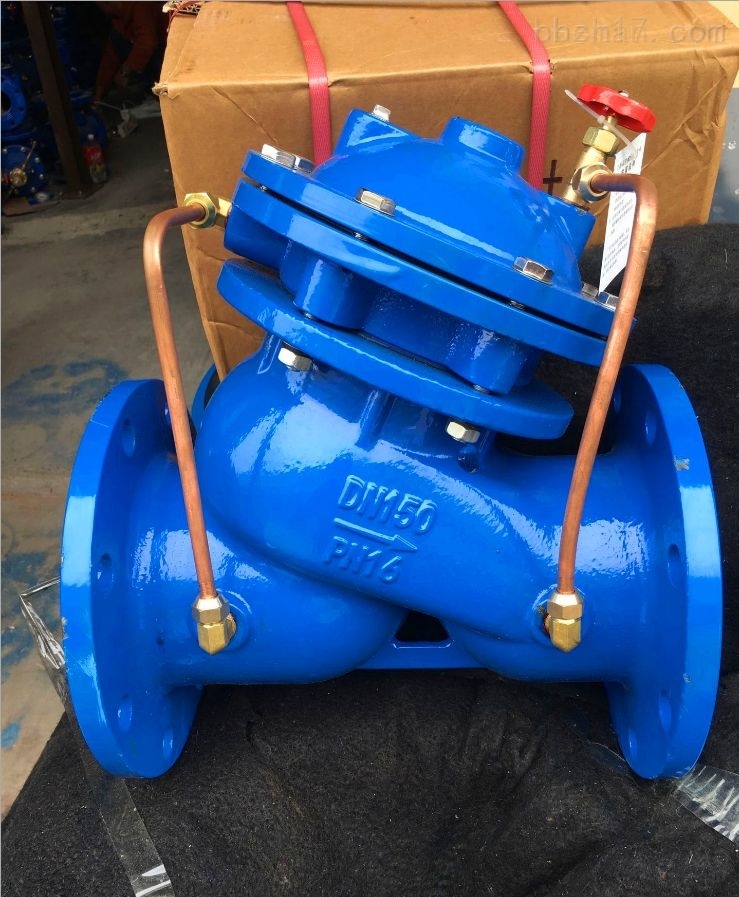
y strainer pn16
Understanding Y-Strainers and Their Importance in PN16 Applications In industrial applications, flui
 English